
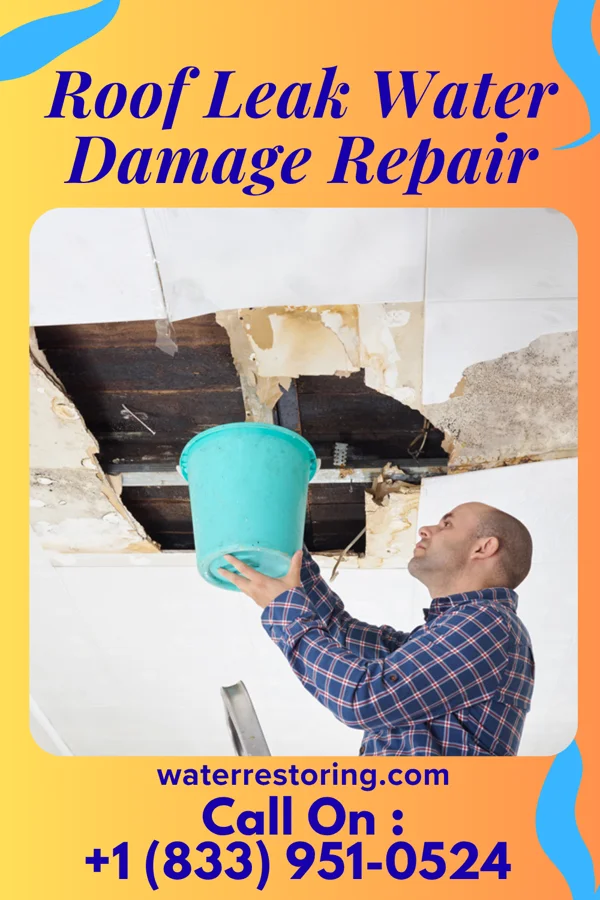
Why Roof Leak Damage Spreads in Los Lunas
Most water damage emergencies in Los Lunas start with Los Lunas experiences hot, dry summers and mild winters, with occasional thunderstorms that can lead to sudden heavy rainfall. These storms can cause rapid water accumulation on rooftops, increasing the risk of leaks and water damage. The arid climate also means that once water enters a structure, it can take longer to dry, leading to more severe damage if not addressed quickly.. A close second is The region is prone to high winds during severe weather events, which can damage roofing materials and create entry points for water. Additionally, the dry air can cause wood and other materials to shrink, leading to gaps that may allow water infiltration over time.. From the second water touches the property, every minute changes what gets saved and what gets ripped out.
The combination of high temperatures, low humidity, and occasional severe weather in Los Lunas can accelerate the deterioration of roofing materials. This makes it essential to address leaks promptly to prevent long-term structural and interior damage.
Most roof leak water damage repair calls in Los Lunas come from Los Lunas experiences hot, dry summers and mild winters, with occasional thunderstorms that can lead to sudden heavy rainfall. These storms can cause rapid water accumulation on rooftops, increasing the risk of leaks and water damage. The arid climate also means that once water enters a structure, it can take longer to dry, leading to more severe damage if not addressed quickly.. Running a close second is The region is prone to high winds during severe weather events, which can damage roofing materials and create entry points for water. Additionally, the dry air can cause wood and other materials to shrink, leading to gaps that may allow water infiltration over time.. Local mold risk: In Los Lunas, mold can begin to grow within 48 hours of water intrusion, especially in areas with high humidity or poor ventilation. This risk is heightened during the summer months when temperatures are warm and moisture is more likely to linger.
For public guidance on the health effects of mold after prolonged water exposure, see the EPA mold and health page.